Monday, April 23, 2012

Stoner Cooking 4-23-12


McDonald's Shamrock Shake
Source: TopSecretRecipes.com

St. Patty's Day has passed, but here's a recipe so you can still have McD's tasty Shamrock Shakes:

2 cups vanilla ice cream
1 1/4 cups low fat milk
1/4 teaspoon mint extract (not peppermint)
8 drops green food coloring
 
1. Combine all ingredients in a blender and blend on high speed until smooth. Stop blender to stir with a spoon if necessary to help blend ice cream.

2. Pour into two 12-ounce cups and serve each with a straw.

Serves 2.

*


The Moby Dick Sandwich


The latest big eating challenge in baseball comes from Eastlake, Ohio, home of the Lake County Captain.

The Moby Dick is 15 inches long, weighs over three pounds, and is over 2,000 calories with 200 grams of fat.  The price: twenty bucks.

Here's what is stuffed into the sesame seed hoagie roll:

• Five quarter-pound fish filets.

• Eight slices of cheese.

• Six ounces of clam strips.

• A third-pound of french fries.

• A cup of cole slaw.

• "Gobs" of lettuce, tomato, pickles and tartar sauce.


Pepto Bismol is extra...

Source:

http://sports.yahoo.com/blogs/mlb-big-league-stew/moby-dick-minor-league-club-reels-three-pound-153627380.html

*


The StrasBurger

Meanwhile, the Washington Nationals have their own mammoth meal in honor of superstar pitching prospect Stephen Strasburg:

"Weighing eight pounds total (including toppings), the StrasBurger is a monstrous all beef burger (combination of ground brisket, chuck and short ribs). The burger is served on a large burger bun with our secret sauce, American cheese, shredded lettuce, sliced tomatoes, sliced red onions, pickle chips and served with a cone basket of fresh cut fries and a pitcher of your choice of soft drink. This signature dish is the perfect entrée to share at this affordably-priced family restaurant."

Source:

http://www.washingtonpost.com/blogs/dc-sports-bog/post/nationals-park-introduces-8-pound-strasburger/2012/03/12/gIQARk8g7R_blog.html

*

The Champion Dog

Finally, there's The Champion Dog at Arlington, home of the Texas Rangers.

According to Reuters, it's "a 2-foot-long beast that busts the scales at one pound. The Texas-sized dog is also topped with sautéed onions, shredded cheese, jalapenos and chili and served with a side of French fries."

The cast is a bit pricy, though: $26 for an entrée meant for sharing with three or more people...

http://news.yahoo.com/texas-rangers-serve-2-foot-long-hot-dog-002332423.html

*


Ben & Jerry's Flavor of the Month: Apple-y Ever After

An apple pie-flavored ice cream in support of gay marriage.  Sadly, it's only available in the UK...

*

New Top Five Restaurant Chains
Full Article:
http://www.mercurynews.com/food-wine/ci_20208236/wendys-dethrones-burger-king-no-2-hamburger-chain

Wendy's has dethroned Burger King as the country's second biggest hamburger chain.

Wendy's edged out Burger King in U.S. sales volume for the first time last year since Wendy's was founded in 1969, according to a report by the food industry research firm Technomic Inc. that's set to be released next month.

Wendy's had sales of $8.5 billion in 2011, compared with $8.4 billion for Burger King. McDonald's remained far larger than both with $34.2 billion in sales...

The sales rankings for the top five restaurant chains have undergone another dramatic shift in the past five years, according to Technomic. In 2006, the No. 2 and No. 3 spots were held by Burger King and Wendy's respectively, making the top three companies all hamburger chains.

Subway now is No. 2 with $11.4 billion in sales last year and Starbucks is No. 3 with $9.8 billion. U.S. sales at both companies have grown at a much faster rate than the top three hamburger chains, with Subway sales up 48 percent from five years ago and Starbucks sales up 39 percent.

*

Enoteca Maria
http://www.enotecamaria.com

Enoteca Maria celebrates Grandmas from every culture. Even during times of hardship they have fashioned gourmet meals from the simplest of ingredients, poverty driven dishes, which have become the jewels in the crown of many 5 star Michelin Chefs! They are the foundation on which all else is set. To all who stand tall on the shoulders of these Matriarchs, Enoteca Maria says, Sit down Sonny, Grandma’s here!

*

Uncle Fats' Tasty Meal:
Spiced Pork Chops with Apple Chutney

Uncle Fats says:

We had this last night with oven fries and it was out of this world!   So subtle and very easy, the chutney perfectly complements the spiciness of the pork. I grilled the pork on the Rig Easy. Fat Boy Approved!

Had a panini with cheese, sliced pork chop and chutney with the rest of the potatoes cut up and heated in a non-stick skillet. This is a keeper for sure.

http://www.myrecipes.com/recipe/spiced-pork-chops-with-apple-chutney-10000001880022

YIELD: 4 servings (serving size: 1 chop and about 1/3 cup chutney)
COURSE: Main Dishes
Ingredients

Chutney:
1 tablespoon butter
5 cups (1/4-inch) cubed peeled apple (about 3 apples)
1/4 cup dried cranberries
3 tablespoons brown sugar
3 tablespoons cider vinegar
2 teaspoons minced peeled fresh ginger
1/4 teaspoon salt
1/4 teaspoon dry mustard
1/8 teaspoon ground allspice

Pork:
3/4 teaspoon ground chipotle chile pepper
1/2 teaspoon salt
1/2 teaspoon garlic powder
1/2 teaspoon ground coriander
1/4 teaspoon black pepper
4 (4-ounce) boneless center-cut pork loin chops, trimmed
Cooking spray

Preparation
1. To prepare chutney, melt butter in a nonstick skillet over medium-high heat. Add apple; sauté 4 minutes or until lightly browned. Add cranberries and the next 6 ingredients (through allspice); bring to a boil. Reduce heat, and simmer 8 minutes or until apples are tender; stir occasionally.

2. To prepare pork, while chutney simmers, heat a grill pan over medium-high heat. Combine chipotle and next 4 ingredients (through black pepper); sprinkle over pork. Coat grill pan with cooking spray. Add pork to pan; cook 4 minutes on each side or until done. Serve with chutney.

Slender haricots verts are a pretty and quick-cooking complement to the meal. Heat 2 teaspoons olive oil in a large nonstick skillet over medium-high heat. Add 12 ounces haricots verts to pan; cook 3 minutes, stirring occasionally. Stir in 1/4 teaspoon salt, 1/8 teaspoon black pepper, and 2 thinly sliced garlic cloves; cook 5 minutes or until garlic is lightly browned.

Nutritional Information
Amount per serving
Calories: 321
Fat: 9.6g
Saturated fat: 4.2g
Monounsaturated fat: 3.6g
Polyunsaturated fat: 0.7g
Protein: 24.4g
Carbohydrate: 34.6g
Fiber: 2.4g
Cholesterol: 72mg
Iron: 1.1mg
Sodium: 520mg
Calcium: 45mg
Search for Recipes by Nutrition Data
Cooking Light MARCH 2009

*

Roast Pork Tenderloins with Roasted Carrot, Parsnip, Potato and Warm Apple and Savoy Cabbage Slaw

From my Aunt Shlee, via RachelRay.com, another tasty pork recipe...

Ingredients

2 pork tenderloin filets, 1 package, trimmed of silver skin
Kosher salt and pepper
1 teaspoon granulated garlic
1 teaspoon granulated onion
1/2 cup grainy Dijon mustard
2 tablespoons fennel seed
3 carrots, sliced on an angle
2 parsnips, sliced on an angle
1 large Russet potato, scrubbed well, skin left on, thinly sliced
About 3 tablespoons EVOO – Extra Virgin Olive Oil, to coat
3 tablespoons butter
2 Honeycrisp apples, peeled and chopped
1 small head of Savoy cabbage, cored, quartered and thinly sliced
1/2 cup apple cider
2 tablespoons cider vinegar
2 tablespoons light brown sugar
Yields: 4

Preparation

Heat oven to 400°F.

Season the pork liberally with salt and pepper, sprinkle evenly with granulated onion and garlic, and slather each tenderloin with mustard. Sprinkle the fennel seeds over top.

On a rimmed baking sheet or in shallow roasting pan, toss carrots, parsnips and potatoes with oil to coat then season with salt and pepper. Push veggies off to each side of the pan and set tenderloins down the middle. Roast 35-40 minutes, or until a meat thermometer reads 145°F. Let meat stand 10 minutes before slicing.

For the slaw, melt butter in a large skillet over medium to medium-high heat. Add apples and sauté to light golden, 5 minutes. Wilt in cabbage in handfuls, season with salt and pepper. When cabbage has wilted into pan, douse with cider, vinegar and sugar, and cook 5 minutes more at a simmer.

Serve sliced pork with roasted carrots and parsnips, and slaw alongside.

*

Keeping up with the pork theme...

Pork lo Mein
http://shine.yahoo.com/food/recipes/pork-lo-mein-537094.html

servings: 6
cook time: 3 h 30 min
recipe source: Better Homes and Garden

This pork dish cooks all day, making it a tender and flavorful entree. While lo mein gets its name from the type of Chinese noodle traditionally used in this dish, other types of noodles, including angel hair pasta and vermicelli, can easily be substituted in this slow-cooker special. Serve the pork mixture over the noodles, and sprinkle with cashews.

Ingredients
1-1/2 pounds boneless pork shoulder
2 medium onions, cut into wedges
2 cups frozen sliced carrots
1 12-ounce jar teriyaki glaze
1 cup thinly bias-sliced celery
1 8-ounce can sliced water chestnuts, drained
1 5-ounce can sliced bamboo shoots, drained
1 teaspoon grated fresh ginger
1 6-ounce package frozen snow pea pods
1 cup broccoli florets
9 ounces dried curly thin egg noodles
1/4 cup cashews

Directions

1 Trim fat from pork. Cut pork into 3/4-inch pieces. Combine pork, onions, frozen carrots, teriyaki glaze, celery, water chestnuts, bamboo shoots, and ginger in a 3-1/2 or 4-quart slow cooker.

2 Cover; cook on low-heat setting for 6 1/2 to 7 hours or on high-heat setting for 3-1/2 to 4 hours.

3 If using low-heat setting, turn to high-heat setting. Stir in frozen pea pods and broccoli. Cover and cook for 10 to 15 minutes more or until pea pods are crisp-tender.

4 Meanwhile, cook noodles according to package directions; drain. Serve pork mixture over noodles. Sprinkle each serving with cashews.

*

Giovana Gambino's Cheesy Arancini
http://www.npr.org/2012/03/21/149001050/italian-nonnas-bring-taste-of-home-to-staten-island

Giovana Gambino of Enoteca Maria says this version of the classic Sicilian dish is simple enough for anyone to make.

For the rice mixture:

1 lb. rice (any type)

1 cup ricotta cheese

1 cup shredded mozzarella

2 egg yolks

salt and pepper, to taste

2 egg yolks to coat rice balls

For the coating:

1 cup all-purpose flour

1 cup water

1 cup breadcrumbs (plain or Italian seasoned)


Cook the rice according to package directions. Let cool.

Heat oil in a deep fryer for frying. Preheat oven to 325 degrees.

Mix the first six ingredients together in a mixing bowl. With your hands, shape the mixture into small balls.

Combine the water and flour in a small bowl, and roll the balls in the flour mixture to coat.

Roll each ball in the breadcrumbs.

Heat cooking oil in a deep fryer and carefully place rice balls in the fryer and cook until golden.

Remove from oil, place in a baking dish and bake in the oven for five to six minutes.

*

Junk Food Makeover: Healthier Chicken Nuggets
http://shine.yahoo.com/shine-food/junk-food-makeover-chicken-nuggets-135600727.html

Tricia Williams and Elisabeth Nelson
Makes 26

Serve these little bites with homemade Honey-Dijon Mustard or Barbecue Sauce.

12 oz. ground chicken
Kosher salt and freshly ground black pepper
1/4 cup quinoa flakes
1/3 cup golden flaxseed meal
1/3 cup oat flour
1/3 cup arrowroot
3 large egg whites
1 Tbsp. plus 1 tsp. safflower oil

INGREDIENT INFO: Golden flaxseed meal and oat flour can be found online at bobsredmill.com . Arrowroot, a thickening agent, is available in the spice section of many supermarkets and at natural foods stores and Asian markets.

Preheat oven to 350 degrees. Line a baking sheet with parchment paper; set aside. Place chicken in a medium bowl and season with salt and pepper. Using a 1-oz. melon baller, scoop out 26 portions of chicken, transferring them to prepared baking sheet as you go. Chill chicken on sheet for 20 minutes.

Combine quinoa flakes, flaxseed meal, and flour in a small bowl. Place arrowroot in another small bowl. Whisk egg whites in a medium bowl until foamy. Gently press chicken portions to flatten slightly. Working with 1 portion at a time, roll chicken in arrowroot, dip in egg whites, and dredge in flaxseed mixture. Return chicken to baking sheet.

Heat oil in a large skillet over medium-high heat. Working in batches, add chicken nuggets and cook, turning once, until browned and cooked through, about 3 minutes. Transfer nuggets back to baking sheet and cook in oven for 6 minutes.
Serve immediately.

*

Veggie Burgers from NYTimes.com:

Curried Lentil, Rice and Carrot Burgers
http://www.nytimes.com/2012/03/30/health/nutrition/curried-lentil-rice-and-carrot-burgers-recipes-for-health.html

2 tablespoons peanut or canola oil

1/3 cup finely diced onion

1 cup finely diced carrots

6 ounces mushrooms, sliced or finely chopped

1 tablespoon minced fresh ginger

1/2 teaspoon turmeric

2 teaspoons cumin seeds, lightly toasted and ground

1 teaspoon curry powder

1/2 teaspoon yellow mustard seeds

Pinch of cayenne (or to taste)

Salt and freshly ground pepper to taste

1 cup cooked brown rice

2 1/2 cups cooked brown lentils, drained

1 egg

1. Preheat the oven to 375 degrees. Heat 1 tablespoon of the oil over medium heat in a heavy ovenproof skillet and add the onion and carrot. Cook, stirring often, until just about tender, about 3 minutes, and add the mushrooms, ginger, turmeric, cumin, curry powder, mustard seeds and cayenne and a pinch of salt. Cook for another 3 minutes or so, until the vegetables are tender and fragrant and the spices aromatic. Remove from the heat and transfer to a large bowl. Add the rice.

2. Purée the lentils with the egg and add to the vegetable and rice mixture. Stir together, season with salt and pepper, and shape into 6 patties.

3. Heat the ovenproof skillet over medium-high heat. Add the remaining tablespoon of oil to the pan and, working in batches if necessary, cook the patties for 2 minutes on one side, or until nicely browned. Carefully turn the patties over and place in the oven. Bake 10 to 12 minutes, until the patties are lightly browned and don’t fall apart. Remove from the heat and serve, with or without buns, chutney or ketchup and the works.

Advance preparation: These can be put together and shaped up to 3 days before browning. They can also be cooked ahead and reheated in a low oven or in a pan on top of the stove. Keep them well wrapped in the refrigerator.

Nutritional information per serving (6 servings): 208 calories; 6 grams fat; 1 gram saturated fat; 2 grams polyunsaturated fat; 3 grams monounsaturated fat; 31 milligrams cholesterol; 29 grams carbohydrates; 8 grams dietary fiber; 33 milligrams sodium (does not include salt to taste); 11 grams protein


Beet, Rice and Goat Cheese Burgers
http://www.nytimes.com/2012/03/28/health/nutrition/beet-rice-and-goat-cheese-burgers.html

For some reason these pink burgers tasted better to me after they’d sat for a day in the refrigerator. So make them ahead for quick meals through the week and reheat in a medium oven or a frying pan.

2 cups cooked brown or white rice

1 cup finely diced or grated roasted beets

1/4 cup chopped fresh herbs, like a mixture of parsley and dill

1 15-ounce can white beans, drained and rinsed

1 tablespoon fresh lemon juice

1 egg

2 ounces goat cheese, crumbled

Salt and freshly ground pepper

2 tablespoons extra virgin olive oil or canola oil, as needed

1. Preheat the oven to 375 degrees. Combine the rice, beets and herbs in a large bowl.

2. Purée the beans with the lemon juice and egg in a food processor fitted with the steel blade or with a fork. Scrape into the bowl with the rice and beets. Add the goat cheese, salt and pepper, and mix the ingredients together.

3. Moisten your hands and form 6 patties.

4. Working in batches, heat 1 tablespoon of the oil at a time in a heavy ovenproof skillet and brown the patties on one side for 2 minutes. Turn over onto the other side and place in the oven for 10 minutes. Serve with or without buns, ketchup and the works.

Yield: 6 burgers.

Advance preparation: You can make these up to 3 days ahead, either through Step 3 or 4, and keep in the refrigerator. They can also be cooked ahead and reheated in a low oven or in a pan on top of the stove.

Nutritional information per serving (6 servings): 227 calories; 10 grams fat; 3 grams saturated fat; 1 gram polyunsaturated fat; 5 grams monounsaturated fat; 41 milligrams cholesterol; 29 grams carbohydrates; 5 grams dietary fiber; 238 milligrams sodium (does not include salt to taste); 10 grams protein

*

Finally, for dessert:

OREO Ice Cream Cake
http://www.kraftrecipes.com/recipes/oreo-ice-cream-cake-130891.aspx

prep:
30 min

total:
3 hr 30 min

18 servings

1 container (1-1/2 qt.) chocolate ice cream (7x4-1/2x4 inches), divided

20 OREO Cookies, coarsely chopped, divided

3 cups vanilla ice cream, softened

LINE 9x5-inch loaf pan with plastic wrap. Cut chocolate ice cream crosswise in half, then cut each half into 4 slices. Place 4 slices on bottom of prepared pan; press to form even layer covering bottom of pan. Reserve 1/2 cup chopped cookies; set aside.

SPRINKLE half the remaining cookies over ice cream layer in pan. Cover with vanilla ice cream; press firmly to form even layer. Top with remaining chopped cookies. Cover with remaining chocolate ice cream slices; press firmly to completely cover cookie layer. Freeze 3 hours or until firm.

INVERT dessert onto platter just before serving. Remove pan and plastic wrap. Top dessert with reserved cookies.

Substitute

Prepare using your favorite flavor of OREO Cookies.

Investors Should Avoid Oil and Alternatives


An Interview with Dr. Marc Faber

As the world economy teeters on the brink and rising oil prices threaten to de-rail the delicate roots of recovery Oilprice.com asked legendary investor Dr. Marc Faber to join us and give his views on high gasoline prices, the shale boom, alternative energy, developments in the Middle East and much more.

In the interview Mark talks about the following:

• Why investors shouldn't buy oil right now
• Why alternative energy investments are a bad idea for investors
• Why Iran should be allowed Nuclear weapons
• Which direction oil prices could go and why
• Why Investors should be taking money off the table NOW.
• Why we shouldn't be pinning all our hopes on natural gas
• Why selling down the strategic petroleum reserve to reduce oil prices is a useless strategy.
• Why the shale boom won't affect US foreign policy priorities
• Why Obama is a disappointing president

Dr. Faber is a very well known commentator throughout the investment community. He regularly appears on CNBC and is a member of the Barrons round table.

Marc is the editor and publisher of the Gloom Boom & Doom Report, which is a very popular investment newsletter that highlights unusual investment opportunities for its subscribers. You can find out more about the Gloom Boom & Doom Report at Marc's website: www.GloomBoomDoom.com.

OilPrice.com: A number of our readers have been enquiring about the recent oil price increases, where a few weeks ago we saw them rise to a ten month high. Where do you see oil prices going from here, and what do you see as the main reasons for the rapid increase?

Marc Faber: I think there is a risk that oil prices will go much higher. At the same time, the bullish consensus on oil is now at one of the most elevated levels it's ever been. In other words, from a contrarian point of view, you shouldn't buy oil right now. I think it may go down somewhat. In general, if trouble breaks out in the Middle East, or if there is a war, I think the price of oil could go much higher.

OilPrice.com: What are your 3-5 year projections for oil prices?

Marc Faber: Well, you'll have to give me a second. I need to call Mr. Ben Bernanke and ask him how much money he will print. Commodity prices were in a bear market from 1980 to 1998, and since then they've gone up. But because of expansionary monetary policies and artificially low interest rates they have increased more than would have otherwise been the case. We don't know exactly how long this asset bubble will last - but say if you had interest rates in real terms, of five percent, instead of negative five percent, then I think all commodity prices, including gold, would be lower.

OilPrice.com: Obama is being pressured by the Democrats to use the Strategic Petroleum Reserve in order to flood the market with a large supply of oil in an attempt to drive down prices. Some commentators seem to think that this will help, although only in the short term because low supply isn't the cause of the high prices. Do you think it's sensible advice to use the reserves now to lower short term prices or should Obama remain strong and only use the stockpile for what it was designed for?

Marc Faber: I think selling down the reserves would be a useless strategy as one of the main reasons prices are rising is due to international tensions. It's possible for an increase in supplies to drive down the price a little bit. But in emerging economies like China and India, the demand continues to go up. Now, it may not go up every year by the same quantity it did in the last 3 years, because in the last 15 years, oil demand in China tripled, from 3 million barrels a day to 9 million barrels a day. So it's conceivable that in a recessionary environment in China, oil demand will not go up substantially for one or two years. But because the per capita consumption is so low in countries like China and India compared to say the U.S. and Japan and Western Europe, I think the trend will continue to increase.

OilPrice.com: There's a great deal of political theater going on around the Keystone XL pipeline. Do you see the pipeline as being essential to U.S. energy security and something that has to be pushed through at some point?

Marc Faber: Yes, I think it would be important to have the pipeline. But as you say, there's a lot of political pressure and so forth. I think it would be very desirable for the U.S. to become energy self- sufficient. Some observers and forecasters say they can achieve this goal within ten years, due to advances in natural gas extraction. I don't believe it, but I have to respect the view of some experts.

OilPrice.com: The media has been full of reports on the coming shale gas boom. What are your thoughts on shale gas? Is it the energy savior we are hoping for?

Marc Faber: I doubt it. But as long as the market believes it, we have to translate every forecast and every view into investment opportunities. I think a lot of people believe in shale Gas's potential and so this may underpin some strength in equities and currencies. But as I said, I don't believe it.

OilPrice.com: Do you think the shale boom could lead to a change in U.S. foreign policy priorities?

Marc Faber: Well, I don't really believe it. But as you know, Mr. Obama has engaged in more foreign policy initiatives in Asia. For what, I'm not quite sure. The thinking is in the U.S. is that China is a threat. Therefore, they have to increase their cooperation with Asian countries, such as India and the Philippines.
Personally, I think it's an ill-timed move, because I don't think that China has any military ambitions in Asia. But put yourself into the chair of China's leadership. What is the top priority? China obtains 95% of its oil from the Middle East. The top priority is to make sure that this oil continues to flow and that the supply is secure. So they have to secure the oil shipping lanes, from the Middle East, past the southern tip of India, through the Straits of Malacca, up the Vietnamese coast, into China.
Each time they do that or attempt to do that, America and it allies in Asia perceive it as a threat. So the tensions increase.

OilPrice.com: You just mentioned that you don't believe China has any military ambitions in Asia, but we're seeing quite a lot of tension in the South China Seas, especially the Spratly Islands and the energy resources located there. How do you see the situation playing out between China and its small neighbors in this region who all have a good claim on the resources?

Marc Faber: As I just mentioned, China's a huge country. They have certain views about territories in Asia, and I think the U.S. would not react particularly positively if say China or Russia or any other nation had numerous military and naval bases, in the Caribbean or in the Pacific, and military bases in Canada and Mexico.
You have to look at the world from the perspective of the Chinese. I'm not saying that because I'm super-bull about China. On the contrary, I think the Chinese economy faces numerous problems. But I'm saying that if you put yourself into their position, a top priority is to secure a regular supply of oil, iron ore, and copper. If you look at the Kondratiev Cycle where Kondratiev said it's not a business cycle. It's a price cycle, and certain things happen during the downward wave, and certain things happen during the upward wave.
During the upward wave, we have rising commodity prices, which is a symptom of shortages. Then countries become more belligerent, because they begin to be concerned about the supply of commodities, and so tensions increase.
I'm not saying war will break out tomorrow. I'm just saying the conditions have improved.

OilPrice.com: Aside from the South China Seas, where do you see the potential flash points in the world over resources?

Marc Faber: Well, I think a big potential flash point is obviously the Middle East and Central Asia, because neither Russia nor China wants permanent American military bases in Central Asia and to be encircled. The Chinese are encircled by the Americans in the Pacific with naval bases, plus the Americans have 11 aircraft carriers. The Chinese have just one. Plus, in the last 12 months, Mr. Obama has made initiatives to have India as a strategic ally. The result of this is that China, which always had good relationships with Pakistan, has strengthened their relationships with Pakistan. This of course has increased tensions in the region.

OilPrice.com: Moving off fossil fuels, what role do you see renewable energy playing in the future? Do you think government should help innovation in this area?

Marc Faber: This is a very difficult question to answer. Basically, I'm convinced that, over time, to drill a hole in the ground in the Middle East or in other emerging economies and then bringing that oil through a pipeline onto a ship into the countries that consume oil is not an elegant solution to the energy problem. I think eventually this will go away. But in the meantime, alternative sources of energy are extremely expensive. Unless the oil price collapses to like $50, most alternative sources of energy will not be profitable. If someone says to me, we need alternative sources of energy for security reasons, yes, I agree. But for profitability I doubt it.

OilPrice.com: As an investor then, are there any renewable sectors you're bullish on? Or would you stay away from the space entirely?

Marc Faber: I would stay away from it.

OilPrice.com: Following the Fukushima disaster Japan has now shut down 54 nuclear power plants. The population's trust in nuclear energy has been shattered – but do you think this is only temporary and how would Japan make up the energy shortfall - as before Fukushima Japan met around a third of its energy demand with nuclear?

Marc Faber: Well, I guess they'll lean towards more natural gas and more oil so they can offset this shortfall of nuclear energy. Now I don't think that this will change the nuclear energy prospects long term in the world, because other countries like India and China will build their numerous nuclear energy plants. In the case of Japan, I think the power plants which had the problems were antiquated. In other words, they were not up to modern standards.

OilPrice.com: Iran has finally offered to resume talks about its nuclear program and has agreed to allow UN inspectors from the International Atomic Energy Agency to visit its Parchin military complex where a nuclear weapons program is suspected of be being developed. How do you see events developing here and how can investors protect themselves from an escalation in this region?

Marc Faber: Well, if there are escalations, then obviously you have to be long, oil and gold. My sense is that the Iranians are playing the same game the Japanese played in the '70s and '80s. They always negotiated but never did anything about the changing balances - they just want to delay the hour of truth. Every day, I think the Iranians are getting closer to having nuclear weapons. I can understand why. The whole world is hostile towards Iran, and they are encircled.
In the west, France has nuclear weapons and Britain and the U.S., and their neighbor Israel, towards the west. Then in the east, India and Pakistan and of course China. So why shouldn't they have nuclear weapons?

Mind you, either there is all around abandonment of nuclear weapons by all the powers, or every country should be allowed to have them. We in the Western World, we have the misguided belief that we are there to judge which countries may have and which countries should not have nuclear weapons.
But maybe our view is wrong. My view is that if I were looking after Iran, for sure I would want to have nuclear weapons. For sure!

OilPrice.com: Okay. So on to investments - you've mentioned oil and gold, but which other sectors are you bullish on, and what would you advise investors to avoid?

Marc Faber: Basically, since March 2009, equities have doubled in value by and large. Some have gone up more than 100%, some a little bit less, we've had a huge bull market. Last year, almost a year ago on May 2nd, the S&P reached a high of 1,370. Then we dropped into August and into October, and we bottomed out on the S&P at 1,074 on October 4th. Since then, we have a 25% rally. The mood in October and November of last year was extremely negative.
I think this is the time to be rather cautious. Personally, if I had heavy exposure to equities, I would take some money off the table.

OilPrice.com: Where do you see the best opportunities for investors in Asia at present?

Marc Faber: Right now, for the next one or two months, I don't think that stocks will go up a lot. I personally think they will correct. But long term, I still like Asia. My concern is if the Chinese economy slows down meaningfully that we could have economic weakness spreading around Asia as well, as well as in countries that supply commodities to China, like Australia, Brazil, Argentina, and so forth.
Right now, say for the next two months, I'm very cautious.

OilPrice.com: I was looking through some of your previous interviews as well, and in one of them, you mentioned Barack Obama. You said he was by far one of the worst presidents that the U.S. has had, and that you still believe he'll be re- elected. In what ways do you think he is unsuitable as a president? I mean, are you fundamentally against his ideas and position on certain topics?

Marc Faber: I don't want to get into an overly political discussion, but I think that first of all, we have in the U.S. and elsewhere highly expansionary fiscal and monetary policies, but we have restrictive regulatory policies. In other words, Obamacare is a big problem for many medium sized and even large companies, because they don't know exactly how much it will cost them. That has retarded hirings of people.
Mr. Obama has intervened into the economy massively, left, right, and center. Every government intervention has consequences. Just to give you an example, the U.S. government debt - I'm only speaking about the government debt, not the prime debt - has gone from essentially zero 200 years ago, to a trillion dollars in 1980.
By the year 2000, we were roughly at $5 trillion. Now in 12 years, we've gone to close to $16 trillion. That excludes the unfounded liabilities. Under Mr. Obama, the fiscal deficit has exploded.
The big question is: Will we ever, in the U.S., have a fiscal deficit of less than $1 trillion or $1.5 trillion? I don't see it. Under Mr. Obama, spending has gone up and tax revenue has gone down. Change, if there was any change under Mr. Obama, it was for the worse. In my view, he's a very disappointing president.

OilPrice.com: Marc, thank you for taking the time to speak with us. It's been a pleasure speaking with you.

Marc Faber: It was my pleasure.

Article originally published at: Oil, Alternatives, and Nuclear Weapons - An Interview with Marc Faber

Interviewer: James Stafford, Editor Oilprice.com

Significa 4-23-12


Awesome Quotes: Stanley Kubrick

"Never, ever go near power. Don't become friends with anyone who has real power. It's dangerous."

*

Rock Tour of the Year: Kiss & Motley Crue

As Gene Simmons put it, "Come out, we’ll blow shit up, go home and fuck your girlfriend!"

Read more: http://www.rollingstone.com/music/news/kiss-and-motley-crue-announce-the-tour-20120321

*

Football Moves & Analysis

* Denver Broncos sign Peyton Manning

End result: Good but not great.  Whether it's Manning or Tebow, John Elway's team isn't a major Super Bowl threat.  They'll probably win the AFC West again, though.

* Tim Tebow to the New York Jets

End result: A terrible move. A better place for Tebow would have been either Jacksonvile or New England, where he could learn under the best behind Tom Brady, like how Steve Young sat for four years behind Montana.

I'm no Tebow hater, but he needs either one of two things to succeed: a team where he is either the clear starter or a competitive option to be one, or a team where he is clearly a backup without soap opera, where he can sit and learn. The Jets are the worst of all worlds, a place already with unproductive soap opera that will only get worst with Tebowmania, and his inclusion in the roster will only rattle an already suspect Mark Sanchez. Instead of having two good QBs this year they will likely have zero.

I'm a big fan of Rex Ryan (hell, the Jets were my Super Bowl pick last year) but I'm kind of worried that he may turn out to be the Billy Martin of football. A smart guy who does know strategy, a great motivator when he comes to a team, but a dude that has an act that runs thin after a couple of years. The Tebow move smacks of desperation, and it doesn't help sway my suspicions at all.

The Jets probably won't make the playoffs in 2012, and don't be surprised if they end up last in the AFC East.

* Jacksonville Jaguars don't land Tebow

End result: The Los Angeles Jaguars become increasingly likely.

* San Francisco 49ers don't sign Manning, sign Alex Smith

End result: If anyone can repair the damage done to Smith's confidence over SF's inclusion in the Manning lottery, it's coach Jim Harbaugh.  Signing great receivers like Randy Moss and Super Bowl hero Mario Manningham helps even more, along with what should be the best defense in the NFL.  Look for the 49ers to win the 2013 Super Bowl.

* New Orleans Saints get busted over player bounty scandal, leading to coach Sean Payton's suspension by the NFL for the entire 2012 season

End result: Major bad.  What would've been in my top three teams to win Super Bowl XLVII (along with SF and the Detroit Lions) probably won't make the playoffs in a highly competitive division, even if Bill Parcells became the temporary coach.  Still, the penalties were necessary and deserved for the crimes.  Look at the Cam Newton-led Carolina Panthers winning and the Atlanta Falcons getting a wild card.  Despite the setbacks, Drew Brees will have another superstar year, and they will be back in 2013.

*


God Bless America

Bobcat Goldthwait has delivered a movie that may just be the perfect antidote for everything that's wrong in the USA.  Here's Richard Metzger of DangerousMinds.net describing it:

The great French film director Jean-Luc Godard once famously quipped “All you need for a movie is a gun and a girl,” but it’s unlikely that he had anything like Bobcat Goldthwait’s outrageous new satire, God Bless America in mind when he said that.

The most vicious, hilarious and timely takedown of American culture since Network, God Bless America follows the downward trajectory of the dismal life of Frank (Joel Murray), an unemployed sad-sack everyman who is given the sort of medical diagnosis that no one wants to hear. Alone, dejected, depressed and suicidal, Frank opts to put a gun in his mouth and pull the trigger, but is distracted by a monstrously selfish Beverly Hills teenager on a TV reality show. In a flash, Frank decides that if he’s going to go, he’s going to take this pampered brat with him.

Frank’s execution of Chloe is witnessed by one of her classmates, Roxy, played by Tara Lynne Barr in perhaps the single most gleefully nihilistic performances a teenage girl has ever given in all of cinematic history. Roxy’s Tarantino-esque rant about why Alice Cooper is the greatest, most influential rockstar of all time— I mean, she does prove it here beyond all argument— is one of the film’s comic highlights.

Egged on by his curiously homicidal teen accomplice, Frank decides to mow down more rude, selfish people before his disease takes him. Like a Bonnie and Clyde for the YouTube era, Frank and Roxy embark on a wave of carnage and mayhem, eliminating a blowhard TV pundit based on Glenn Beck, religious extremists and in the film’s over-the-top climax, most of the studio audience at an American Idol-type program.

As Frank so earnestly puts it: “I only want to kill people who deserve to die.”

Source:
http://www.dangerousminds.net/comments/dangerous_minds_interviews_bobcat_goldthwait_for_his_new_film_god

*


Let's hear it for cinematic auteur Michael Bay for being a voice of reason among the Teenage Mutant Ninja Turtles community. "Fans need to take a breath and chill... Our team is working closely with one of the original creators of 'Ninja Turtles' to help expand and give a more complex back story... We are just building a richer world." His calm coolness is impressive, though I wonder if it's possible to take TMNT to even greater intellectual density than the labyrinth-like tales that rivaled The Sopranos. Also, how do you top hiring Vanilla Ice to sing your theme song?

Full Article:
http://news.yahoo.com/michael-bay-tells-ninja-turtles-fans-chill-221943892.html

*

John Edwards Named in Prostitution Ring

Full Article:
http://www.huffingtonpost.com/2012/03/22/john-edwards-millionaire-madam-anna-gristina-upper-east-side-_n_1372316.html

Robalini's Notes: I know Edwards is considered persona non grata at this point, but it's hard to not be cynical that the only three politicians outed in US prostitution scandals (Edwards, Eliot Spitzer and Dominique Strauss-Kahn) happen to be three guys who were potentially the biggest threats to the banking establishment...

*

Obligatory Dick Cheney Joke

Dick Cheney received a heart transplant from a donor.  No word what they did to the donor's body after slicing him open in offering to Satan...

*

YouTube Special: The Mason's Secret's in the Bible Exposed
http://www.youtube.com/watch?v=kKj4-Ct3rds

*

Milestones

Welcome back, Mad Men & Game of Thrones...

http://cityroom.blogs.nytimes.com/2012/03/28/on-mad-men-an-opening-scene-straight-from-page-1

http://insidetv.ew.com/2012/03/30/game-of-thrones-showrunners-season-2

Adam Sandler Flick Jack and Jill sweeps all ten categories at the Razzies:

http://www.eonline.com/news/razzies_shocker_adam_sandler_sweeps/305597

Ashton Kutcher to play Steve Jobs on film:

http://www.foxnews.com/entertainment/2012/04/01/ashton-kutcher-to-play-steve-jobs-in-biopic

Tiger Woods wins again:

http://www.cbsnews.com/8301-400_162-57404200/tiger-woods-wins-1st-pga-tour-event-since-2009

Magic Johnson becomes the new face of the Los Angeles Dodgers ownership for $2 billion:

http://sports.yahoo.com/mlb/news?slug=ap-dodgerssale

12-year-old Tom Schaar becomes the first skateboarder to land a 1080:

http://www.grindtv.com/skate/blog/33206/skateboarder+tom+schaar+12+makes+history+with+first-ever+1080

The 2012 Basketball Hall of Fame class, led by Reggie Miller, Don Nelson and Ralph Sampson, was announced:

http://www.usatoday.com/sports/basketball/nba/story/2012-04-02/Reggie-Miller-Don-Nelson-top-Hall-of-Fame-list/53947212/1

The Kentucky Wildcats (coached by John Calipari, who previously took two other schools two the Final Four without a championship) cruised to victory behind the dominating presence of Anthony Davis on defense:

http://www.suntimes.com/sports/colleges/11682383-419/anthony-davis-leads-kentucky-to-title.html

Meanwhile, Baylor, led by Brittney Griner, won the women's title, capping an undefeated season  Griner may be the best female player ever, and they will be decided favorites to repeat undefeated next year, with the possibility of breaking UConn's 90-game win streak in 2013-14:

http://www.latimes.com/sports/sportsnow/la-sp-sn-baylor-20120404,0,3520652.story

RIP:

Chaleo Yoovidhya, co-founder of Red Bull, the energy drink company:

http://www.cnn.com/2012/03/17/world/asia/thailand-red-bull-founder-dead

Earl Scruggs, bluegrass banjo player:

http://www.nytimes.com/2012/03/29/arts/music/earl-scruggs-bluegrass-banjo-player-dies-at-88.html


BabeWatch 4-23-12


Jennifer Love Hewitt of The Client List


Christina Aguilera


Selena Gomez


Minka Kelly


Taylor Swift


Beyonce


Rihanna


Eva Longoria


Shauna Sands


Kim Kardashian


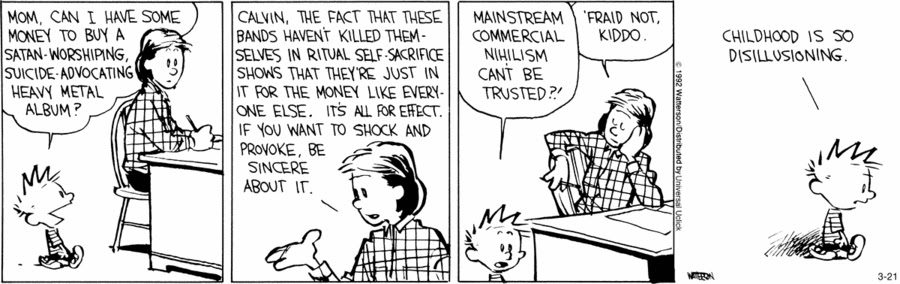
Humor Break: Calvin & Hobbes Classic


Future Theater Interview with Kenn Thomas


March 10, 2012
http://www.futuretheater.com/listen-to-past-shows/march-10-2012.html

Tonight's show was just an amazing romp through Kenn Thomas land, where you will hear, as he says on his site Steamshovel Press, "All Conspiracy. No Theory." And I neglected to thank our kind columnist Adam Gorightly for the intro, so I thank him here and now.

We talk about the enigmatic Fred Crisman and the strange way that Kenn was initially drawn into the whole Danny Casolaro story. There's way too much to write about here, so just listen. Then, check out Kenn's books. Welcome to the edge.

You can also download it at The Konformist

http://www.konformist.com/2012/futuretheater031012.mp3


The Road from Ruin: California


Jaye Beldo
Sunday, March 18, 2012
http://roadruin.blogspot.com/2012/03/road-from-ruin-california.html

Slaloming  the Malibu through cavalcades of tumbleweed and dust mixed with the flower petals of Almond trees, I jettisoned myself further away from Barstow. 5 was even bleaker.  The northward travail punctuated with signs that read: Congress Created This Dust Bowl with Pelosi’s, Costas’s and Boxer’s names crossed out. NAFTA uber alles. Thought of all the produce I had eaten in my life that was grown in this region. No more.

A bit of rain and fifty degrees gave me relief from the desert harshness I had escaped but the gas station I had stopped at seemed but an odd oasis of sorts. Not meant to be there although the 4.70 per gal. prices said otherwise.  I leave and a giant tumbleweed careens into my grill, shatters and vaporizes before the north wind sweeps it away instantly.

Road fatigue didn’t set in until I passed through Bakersfield and managed to bail out on a much welcomed side road, working my way through some verdant, mountainous terrain. A tenuous sense of peace pervaded, like being on the cusp of something unique, if not extraordinary.  Yet this too was co-opted territory. By what I couldn’t tell.

Met my host in a small town at a Safeway, after passing by a lake rendered idyllic by twilight. I followed her through the dark and serpentine roads for well over an hour until we reached a depressed town on the edge of an Indian reservation.
Definite meth stronghold here I felt.The dark didn’t really add anything to the gloom, but I was glad when we reached the gate of her property and made it to the top of Spirit Mountain. Greeted by a 140 lb. German Shepherd and a sophisticated Doberman who was a bit demure at first, it was nice to get out of the car.

A pleasant alpine expanse greeted me the next morning, home to Black Bears and Mountain Lions. The terrain seemed content somehow, assuaged by clouds and fog. A bit of climactic respite, although the feeling of something looming prevailed.

Too many high eyes in these parts for a teetotaler such as myself. Stoned is more than just a way of life, rather a blight that makes people content with their own mediocrity. In a trailer, I was forced to listen to this doped up woman patronize a carpenter 30 plus years older than her. She claimed she could see his glowing soul through his skin but I could see otherwise-her cosmically sourced, ulterior motives were quite transparent to me.  I got up and left without excusing myself and apparently that offended her from what I heard the next day. Nothing that the acupuncture she learned to do couldn’t cure. The scene left me wishing for some needles stuck in my own meridians -primarily in hopes that they would  alleviate the lingering disgust I had-for the carpenter-who was more than mesmerized by her uplift rap.

Time to sign off folks. My green tea is getting cold here in this coffee shop. I’ve got to tough it out at least until the fall.  Funny what having no money forces a person to do-just never thought it would be like this-the desperation that is.

TBC

(C)2012-Jaye Beldo


The Konformist Meets Rock Hall of Famers


On March 2nd, Konformist editor Robert Sterling, along with Konformist Kontributor and pal Chris Dolan of Celebrity Circle Television (a L.A.-based cable show from the 80s returning soon after a 22-year hiatus) arrived at the JW Marriott Desert Springs Resort & Spa.  The end result: we were within five feet of Rock HOFers Alice Cooper and guitarists Robbie Krieger (of The Doors) & Steve Cropper (of both Booker T. & The M.G.'s and The Blues Brothers band) as they rocked out to a few Cooper tunes.  The cause?  the Second Annual Patrick Warburton Golf for Kids Tournament, a charity event that benefits St. Jude Children's Hospital, founded by the actor best known as Seinfeld's David Puddy.  Steve Cropper was particularly kind, as he and Dolan are old friends, and we had a great time with his wife Angel and his friends.  Among the others at the event were fellow Seinfeld alumni John O'Hurley, Jerry Cantrell (former Alice in Chains guitarist), actor Robert Hayes, actor Rob Morrow and comedian David Spade.  A pretty mind-blowing event.  For more info:

http://patrickwarburtongolf.com


Meanwhile, on March 1st, Sterling & Dolan were at the Golden State Collective Cannabis Lab in Santa Monica for another worthy cause.  It was The 420 Collection, an exhibition of paintings by Grace Slick to raise awareness on the issue of medical cannabis.  It was a honor meeting Ms. Slick, who literally had a deep conversation with the two of us for over a half hour.  A portion of the proceeds went to the Marijuana Policy Project (MPP).  For more info:


http://www.420Collection.com
http://www.gscmbc.com
http://www.mpp.org


Wedding Photos: Blueboy & Fluffer


On March 21st, 2012, Konformist employees Blueboy & Fluffer officially became a married couple after living together for a little over a year.  Their registry is at Target...


Former KGB chief a suicide, police say


Fri March 30, 2012
http://www.cnn.com/2012/03/30/world/europe/russia-kgb-suicide/index.html

Former Soviet spy Leonid Shebarshin, who was very briefly head of the KGB, was found dead Friday in his apartment in Moscow, an apparent suicide, officials said.

The 76-year-old left a suicide note, the state-run news agency Itar-Tass reported Friday, citing city police. A weapon was found near the body, Investigation Committee spokesman Vladimir Markin said.

The contents of the note were not disclosed "in the interest of the investigation," according to police, the news agency said. Shebarshin was alone in the apartment, it added.

According to Itar-Tass, Shebarshin was born in Moscow in 1935. He served as an intelligence officer under diplomatic cover in Pakistan, India and Iran and took high-ranking positions in the KGB beginning in 1983. He was appointed deputy chairman in 1989. He led the KGB for one day only, on August 22, 1991, and retired the following month.

Hypocritical Use of Piracy As a Corporate Weapon


The Hypocritical Use of Piracy As a Corporate Weapon
Myles Peterson
March 31, 2012

Rupert Murdoch, media tycoon, founder and Chairman and CEO of News Corporation, has been a fanatical supporter of tougher anti-piracy legislation including PIPA and SOPA in the US. But this week it was claimed that Murdoch’s piracy crusade is a rather hypocritical one, with his News Corporation now at the center of a major piracy scandal in which it’s accused of encouraging piracy to cripple competitors.

Troubled international media giant News Corporation felt the ice crack beneath its feet this week after years of enduring ill winds blowing from phone hacking scandals in the United Kingdom and United States.

The Australian Financial Review and the BBC’s Panorama programme combined to publish a four-year investigation into the operations of News Corporation subsidiaries, unveiling damaging claims of a plot to facilitate and encourage piracy with the aim of crippling pay-television rivals.

The allegations cast shadows across the main-stream media landscape, with implications for the conduct of news outlets and the arguments of anti-piracy lobby groups through to the structure of the pay-television landscape itself.

The reaction of News Corporation’s 81-year-old Australian founder and CEO was swift. Rupert Murdoch used his new love of micro-blogging platform Twitter to rubbish the claims, the publishers and make implied threats of legal action against those raising the allegations.

Murdoch’s sensitivity is understandable. The negative publicity generated by earlier phone hacking scandals could be alleviated in part by suggesting that if immoral – even illegal – activity had taken place, it occurred during the pursuit of journalism, however tawdry or overzealous.

Using piracy as a corporate weapon to damage competitors contains no such narrow mountain trail to the moral high ground. Worse, it undermines a global campaign against piracy led by Hollywood lobby groups such as the MPAA, of whom News Corporation is a major member via its entertainment subsidiary, FOX...

Full Article:
http://torrentfreak.com/the-hypocritical-use-of-piracy-as-a-corporate-weapon-120331


Seven Day Plan to Hold Wall Street Accountable


A Seven Day Plan to Finally Hold Wall Street Accountable
New evidence points to illegal behavior. Prosecution is the only way to keep that behavior from continuing.
Bruce Judson
Monday, 03/19/2012
http://www.newdeal20.org/2012/03/19/a-seven-day-plan-to-finally-hold-wall-street-accountable-74581

It’s now a near certainty that Wall Street executives committed felonies.

The recently released audits of robo-mortgage activities by the Office of the Inspector General of the Department of Housing and Urban Development (HUD) details shocking behavior at the five banks constituting the Federal Housing Administration’s largest mortgage servicers. At Wells Fargo, management quashed a midlevel manager’s study of the foreclosure process as negative results began to emerge, and it gave an individual whose last job had been in a pizza restaurant the title of “vice-president of loan documentation” to facilitate robo-mortgage signing. Bank of America evaluated employees on the volume of foreclosure affidavits produced. JP Morgan Chase gave individuals titles such as “vice-president of Chase Home” where “the titles were given by Chase for the sole purpose of allowing individuals to sign documents and came with no other duties or authority.” Citigroup and Ally similarly engaged in seemingly illegal practices.

Under federal law, the knowing filing of a false affidavit with the court is a felony offense of perjury, punishable by a prison term of up to five years. An individual violates laws against perjury whether he or she personally appears in court and swears to a false statement or provides the court with a false affidavit. Individual states have their own perjury laws, which were undoubtedly violated as well. The HUD report also suggests that individual banks may be guilty of obstruction of justice and the criminal violation of the False Claims Act for filing insurance claims without following HUD requirements.

Since the start of the financial crisis, federal and state officials have been struggling to change Wall Street behavior. To date, every effort has failed miserably, and the weak enforcement provisions of the robo-mortgage settlement are unlikely to meaningfully change this dynamic. Government officials have also relied, with a very few exceptions, entirely on civil enforcement when criminal laws appear to have been egregiously violated.

The greatest moral hazard now confronting the nation is what appears to be increasingly brazen criminal activity by financial industry executives. With each decision not to prosecute, Wall Street executives justifiably conclude that they are immune to the rules. As a result, it appears that Wall Street criminal activity is increasing in frequency and severity, as opposed to the reverse. The activities surrounding the collapse of MF Global are one example.

So what can be done about it? We can change the behavior in the financial service industry for a full generation in just seven days. This plan may seem to be tongue and cheek, but it hearkens back to a similar action in the era of the Great Depression. In the final months of Herbert Hoover’s presidency, the Senate Banking Committee began an investigation into the causes of the Great Crash of 1929, and a young prosecutor named Ferdinand Pecora was appointed as Chief Counsel. Subsequently, the Roosevelt administration conveyed to Pecora that “the prosecution of an outstanding violator of the banking law would be the most salutary action that could be taken at this time. The feeling is that if the people become convinced that the big violators are to be punished, it will be helpful in restoring confidence.” Ultimately, this investigation, which came to be known as the Pecora Commission, led to the indictment of one of America’s most prominent financiers; demonstrated widespread self-dealing in the financial sector; and, as noted by historian Alan Brinkley, generated “broad popular support” for Roosevelt’s reform agenda, including the creation of the SEC and the Glass-Steagall Act.

My seven day plan is based on a simple premise: When criminal laws are egregiously violated, the guilty parties should face appropriate punishment. Here’s the plan:

Day One: Read the HUD Inspector General’s reports and the public records of past mortgage foreclosure cases from across the nation.

Day Two: Meet with the team at the Office of the Inspector General at HUD that prepared the audits. Obtain the names of all the bank officials, lawyers, and notaries whose behavior, as cited in the audit reports or otherwise known to the investigators, represent clear and unquestionable criminal violations. Add to this list other individuals who have similarly demonstrated or testified to behavior unquestionably constituting criminal acts, as indicated by the public records of the mortgage foreclosure cases reviewed in day one.

Day Three: Indict all of the individuals on the list compiled on day two.

Day Four: Indict banks and financial institutions on criminal charges where criminal behavior by employees (as demonstrated by day three indictments) appears to be endemic. The Justice Department guidelines for prosecuting firms include: (1) the pervasiveness of such activity, (2) the compliance procedures in place, (3) attempts by the corporation to end bad behavior, and (4) cooperation with federal investigators. In 2008, the Justice Department adopted a policy of accepting “deferred prosecutions,” involving agreements to change corporate behavior without damaging innocent third parties through prosecution.

Corporations receive the benefits of “legal persons,” as demonstrated by Citizens United. But they must also bear the responsibilities of these privileges. A reading of the HUD reports, and other public records, suggests several banks should clearly be prosecuted.

Day 5: Discuss plea bargains with indicted lower-level officials in return for cooperating in investigations of higher-level officials.

Day 6: Consider plea bargains with indicted banks, which require the removal of all remaining officers and directors who were serving when egregious criminal activity occurred, as well as senior officials who were in a position to exercise appropriate supervisory responsibility but chose to look the other way.

Day 7: Indict any senior Wall Street officials implicated by new cooperative testimony resulting from activities on day five. Adopt and announce a policy that future criminal violations will be prosecuted in a similar fashion.

What is particularly disturbing is that a look at the evidence already in the public domain (much less what investigators already know) shows that none of the actions discussed above are entirely absurd. The purpose of prosecution not simply punishment. It acts to deter further illegal activity and to restore public confidence in our system of governance. The nation desperately needs both of these benefits today.

Moreover, these ongoing, almost certainly criminal activities are ultimately dangerous threats to our economy, the success of capitalism, and our democracy. In his column on MF Global, Joe Nocera noted that “customers need to be able to trust” the laws protecting their money. “Otherwise, the markets can’t function.”

Today, as in the era of FDR, we must send a message to the financial community that illegal behavior will not be tolerated. By prosecuting blatant felonies now, we will deter future misbehavior and begin the process of recreating a fair society where equal justice prevails.

Bruce Judson is Entrepreneur-in-Residence at the Yale Entrepreneurial Institute and a former Senior Faculty Fellow at the Yale School of Management.


Minimum Wage


From MoveOn.org: Hours a week at minimum wage needed to afford a two bedroom apartment


Hacker "Sabu" worked full nights online for FBI


Full Article:
http://news.yahoo.com/hacker-sabu-worked-full-nights-online-fbi-005900686.html

One late-night visit by the FBI was all it took for the notorious hacker known as "Sabu" to switch sides and become a valued snitch.

Hector Xavier Monsegur cooperated immediately in June, helping investigators close a net around five other leaders of the international hacking group Anonymous, according to court documents made public on Thursday.

Monsegur sometimes stayed up all night, talking with co-conspirators to help the government build its case, Assistant U.S. Attorney James Pastore told a Manhattan federal court judge at a secret hearing days before Monsegur's August 15 guilty plea, the court papers showed.

Monsegur, 28, was arrested at his small apartment in a Manhattan housing complex on June 7, U.S. authorities said on Tuesday in announcing charges against him and five others. The precise time, 10:15 p.m., was revealed in Thursday's court papers.

"Since literally the day he was arrested, the defendant has been cooperating with the government proactively," Pastore told Judge Loretta Preska.

Monsegur was freed on $50,000 bond the day after his arrest. He later pleaded guilty to each of the 12 computer crimes he was charged with in cases brought in four different states. The cases were later consolidated in New York.

Federal prosecutors said Monsegur had confessed in court after signing a cooperation agreement with the government. Details of the deal and any reduction in prison time that he hopes to receive will not be known until the court makes the information public.

Monsegur and the five others were senior members of Lulz Security (LulzSec), an offshoot of Anonymous that took credit for hacking attacks on government and private sector websites, U.S. authorities said on Tuesday. Targets included the CIA, Britain's Serious Organised Crime Agency, Japan's Sony Corp and others including in Ireland and Mexico...


20 million could lose employer coverage

20 million could lose employer coverage under Obama health care overhaul
Kate Randall
17 March 2012
http://wsws.org/articles/2012/mar2012/heal-m17.shtml

As many as 20 million Americans could lose their employer-sponsored coverage in 2019 under the health care legislation signed into law by President Obama in March 2010. This is the worst-case scenario set out by the Congressional Budget Office (CBO) in a report released Thursday.

The CBO’s most optimistic estimate, which the federal agency says is subject to a “tremendous amount of uncertainty,” is that 3 million to 5 million could lose their employer health coverage each year from 2019 through 2022.

The new projections for loss of employee coverage are a substantial increase over last year’s estimates, when the CBO’s best prediction was that only 1 million people would lose employer-sponsored coverage.

The new study is the latest indication that the health care overhaul will result in a deterioration of health care for the majority of Americans, and not the improvement touted by the Obama administration. Working families and those in low-wage jobs stand to suffer the most from companies eliminating coverage.

As the World Socialist Web Site explained during the administration’s campaign for its health care “reform,” the scheme was the opposite of universal and quality health care for all. Drawn up in close consultation with the insurance, pharmaceutical and hospital industries as well as Wall Street, it was driven by a determination to reduce government deficits and health care costs at the expense of the working class. In addition to cutting hundreds of billions of dollars from Medicare, the government health insurance program for the elderly, the plan is designed to ration health care on class lines, depriving millions of working people of benefits on which they currently rely.

Beginning in 2014, the Patient Protection and Affordable Care Act (PPACA) will mandate individuals and families to obtain insurance or pay fines that could eventually rise to as much as 2 percent of income for all but the very poor. Those who purchase insurance on the health care “exchanges” set up under the PPACA will be at the mercy of private insurers who can increase premiums without any meaningful government oversight.

Companies with more than 50 employees that stop offering health coverage will be levied a $2,000 per employee tax penalty. The CBO projection indicates that a significant proportion of businesses will find it financially advantageous to drop coverage and pay the penalty.

The CBO’s worst-case scenario is in line with previous studies on the impact of the health care bill on employer coverage. A study released in August 2011 by human resources consultants Towers Watson showed that at least 9 percent of companies planned to drop their coverage by 2014. A study last June by the McKinsey Company showed that an even larger proportion, 30 percent, were likely to stop providing coverage when provisions of the PPACA take effect.

On the same day the CBO published its report, the Center for Studying Health System Change (HSC) released a national study showing that employer-provided health coverage has already been substantially eroded as a result of the recession. Between 2007 and 2010, the share of children and working-age adults covered by employer-sponsored health insurance dropped by 10 percentage points, from 63.6 percent to 53.5 percent.

The study notes that increased unemployment was the key driver of this loss of employer coverage, with the proportion of people younger than 65 with no employed workers in the household jumping to 31.6 percent in 2010—up 10 percent. This rise in joblessness accounted for approximately three-quarters of the drop in employer-provided health coverage since 2007.

However, the HSC study found that about 20 percent of those who lost their employer-sponsored health care from 2007 to 2010 were employed but either dropped from coverage by their employer or opted out of it. The survey also showed that a steady decline in employer health coverage was well underway before the official start of the recession in December 2007, with fewer companies offering coverage and fewer employees choosing to enroll because they could not afford to pay their portion of the cost of coverage.

Employer-sponsored coverage in the US is rarely provided free of charge to the employee. Going forward, it has still not been made clear precisely what level of coverage businesses will be required to offer their workers to qualify under the Obama health care legislation.

The HSC surveyed showed that employer-provided coverage has become increasingly unaffordable for a significant share of the workforce, particularly low-wage workers. Households with incomes below 200 percent of the poverty line—$44,100 for a family of four in 2010—saw employer-sponsored health care coverage drop dramatically, from 42 percent in 2001 to only 24 percent in 2010.

In addition to low-wage workers, segments of the population seeing a disproportionate decline in coverage were young adults, people with a high school education or less, and those employed in small firms.

In 2007, among those aged 18 to 27, 70 percent lived in a household where at least one member was working and 43 percent were covered by employer-sponsored health insurance. By 2010, only 50 percent lived in working households and employer coverage had dropped to 31 percent.

People in families headed by someone with a high school education or less saw their employer health coverage decline from 47 percent in 2007 to 36 percent in 2010. For those employed by companies with less than 100 workers, employer health coverage fell from 51 percent in 2007 to 45 percent in 2010.

As the CBO report demonstrates, the numbers of those losing their employer-sponsored coverage—whether they are dumped by their employer or can no longer afford it—will rise as a result of the Obama health care overhaul. This tendency will be exacerbated by the continuing rise of overall health care costs, driven in the main by the spiraling profits of the insurance companies and giant health care providers and pharmaceuticals.

A new report by the Annals of Family Medicine, a peer-reviewed medical journal, predicts that the average cost of health insurance for American families will surpass average household income by 2033.

The report finds: “If health insurance premiums and national wages continue to grow at recent rates and the U.S. health system makes no major structural changes, the average cost of a family health insurance premium will equal 50 percent of the household income by the year 2021, and surpass the average household income by the year 2033.”

The Obama-sponsored health bill is aimed, not at improving health care provision, but cutting costs for the government and corporations. From the beginning, the Obama administration has pitched the overhaul as “deficit neutral,” making the spurious claim that hundreds of billions can be slashed from Medicare and other government programs while improving the accessibility and quality of care.

Notably, the CBO report states that under the worst-case scenario—in which 20 million people lose their employer-sponsored coverage—the federal government will actually save $13 billion relative to baseline projections. Under conditions of skyrocketing health care costs, this can only be the result of reductions in care and forcing people into cut-rate plans on the “insurance exchanges,” or into Medicaid and other government programs that are being targeted for sweeping cuts.

Robalini On Disinformation


States of Depression
Robalini
April 12, 2012
http://www.disinfo.com/2012/04/states-of-depression

Here’s an article from Paul Krugman in the New York Times about the state of the economy, and this quote pretty much sums up his verdict: “In fact, if it weren’t for this destructive fiscal austerity, our unemployment rate would almost certainly be lower now than it was at a comparable stage of the ‘Morning in America’ recovery during the Reagan era.”

Krugman, a Nobel Prize winner in economics, is about as “liberal” (whatever the hell that means in 2012) as the korporate media will allow at this point. He has often been highly critical of Barack Obama, especially during the 2008 Democratic Party race, when he was one of the few to note Obama’s economic policies were already in campaign mode decidedly to the right of both Hillary Clinton and John Edwards.

That said, Krugman provides the following evidence:

One way to dramatize just how severe our de facto austerity has been is to compare government employment and spending during the Obama-era economic expansion, which began in June 2009, with their tracks during the Reagan-era expansion, which began in November 1982.

Start with government employment (which is mainly at the state and local level, with about half the jobs in education). By this stage in the Reagan recovery, government employment had risen by 3.1 percent; this time around, it’s down by 2.7 percent.

Next, look at government purchases of goods and services (as distinct from transfers to individuals, like unemployment benefits). Adjusted for inflation, by this stage of the Reagan recovery, such purchases had risen by 11.6 percent; this time, they’re down by 2.6 percent.

And the gap persists even when you do include transfers, some of which have stayed high precisely because unemployment is still so high. Adjusted for inflation, Reagan-era spending rose 10.2 percent in the first 10 quarters of recovery, Obama-era spending only 2.6 percent.


Of course, there’s many reasons behind this (two obvious ones are cutbacks on the state level aided by a lack of support from Washington and the extreme right-wing economics embraced by the GOP) but there’s a more obvious elephant in the room: Obamanomics is a primary cause for our current economic malaise. Indeed, his already right-wing campaign prescriptions hidden behind inane, context-free mantras like “Change” and “Hope” have been followed by actual policies which are even more reactionary than supposed liberal demon Ronald Reagan.

Krugman, even with his history of criticism against Team Obama, avoids these implications that his stats reveal. He also avoids the even greater indictment: for all the failures of George W. Bush and his reign, to blame the unemployment and tepid economy of 2012 on him would be untruthful. Barack Obama may have inherited a really bad hand, but his policies now are the bigger cause for economic woes than eight years of Bush Jr. This is all the more appalling when one considers Obama came into office with sixty out of 100 Senators, a decided majority in the HOR, and a supposed vast popularity with the public that desired leadership to combat the economic crisis.

The punchline: as the positions of Mitt Romney are even more reactionary that Obama’s, it appears that we are headed for a lost decade of economic malaise at least until 2016, and probably even further as the economic status quo shifts decidedly to the right.

Read Krugman in the NY Times:
http://www.nytimes.com/2012/03/05/opinion/krugman-states-of-depression.html
*
The Women Who Named The ‘Big Mac’ Received A Plaque
http://www.disinfo.com/2012/04/the-women-who-named-the-big-mac-received-a-plaque/